

🇺🇲 Commentary - The Cork Island
Pedro Corzo, Senior Fellow, MSI²

Executive Summary
The article argues that Cuba, historically considered “unsinkable,” the so-called “Cork Island,” is today facing an unprecedented structural deterioration under the Castro regime. Unlike previous crises, the current system has weakened the country’s productive foundations, restricted individual initiative, and generated a profound economic and social crisis that calls into question the nation’s ability to recover.
Introduction
In 1936, the economist, essayist, and final ambassador of Cuba’s constitutional era to the United States, Luis Machado y Ortega, published a book whose title gives this column its name, in which he asserted that Cuba was unsinkable because, despite the abuses committed by its rulers, the country did not sink, an expression also used by Colonel Orestes Ferrara, the Italo-Cuban veteran of our War of Independence.
These two republicans upheld an unquestionable truth because anyone who studies the history of Republican Cuba prior to 1959 with a critical spirit can appreciate that, although every government committed countless abuses and acts of dispossession, the country always progressed toward better living conditions.
From Historical Resilience to Structural Collapse
Cuba endured more than one predator throughout its republican history; nevertheless, the Castro brothers, who made the greatest promises and inspired the most hope among the citizenry, have by far been the most destructive of all our rulers.
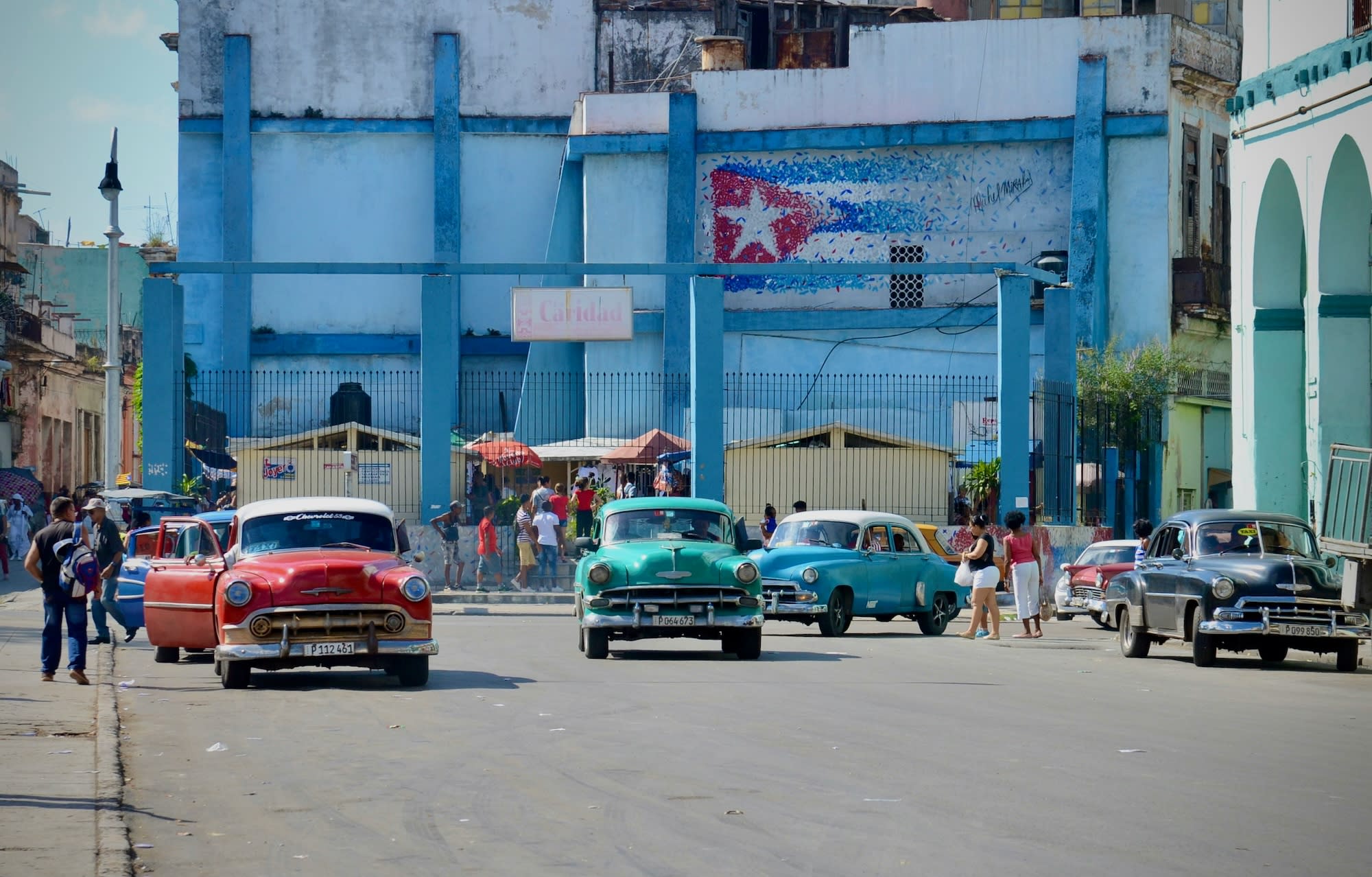
Fidel and Raúl have placed the country in conditions that are more than calamitous, to the point that the Island has lost its condition as a cork and now stands on the verge of total submersion, with no possibility of resurgence.
The Myth of the Embargo and Internal Responsibility
For decades, the Castroist system has attempted to justify its blunders by denouncing a blockade that does not truly exist; in reality, it is a commercial embargo filled with exceptions that allowed the very country that imposed it to export 585 million dollars to the Island in 2024, nearly 45 percent more than in 2023. Furthermore, under the administration of President Donald Trump, far more critical of totalitarianism than his predecessor, exports increased by 15% during the first nine months of 2025.
The embargo does not prevent Cuba from importing the medicines and food its population requires; it simply must pay for them rigorously, like any other buyer. It is true that Castroism lacks the resources to satisfy the needs of the people it misgoverns, but that is due to its inefficiency, not the responsibility of third parties.
Destruction of the Productive Apparatus and Agricultural Crisis
Nevertheless, the heaviest burden sinking the Island is not the embargo, but rather the regulations imposed on the population in general, particularly on individuals who possess the capacity and willingness to produce wealth.
Potential Cuban entrepreneurs are thwarted before they can even act as such. The regulations dictated by the totalitarian state and the ruling class’s fear that citizens might achieve economic independence prevent the development of efficient, productive activity capable of satisfying the needs of the population.
The sector most economically burdened has been agriculture. Cuba possesses highly fertile land. Before totalitarianism, the country was self-sufficient in most agricultural products and exported others, such as vegetables and fruits, among them tomatoes, cucumbers, pineapples, and bananas. In addition, it exported cattle abroad and was the world’s leading exporter of cane sugar.
The Cuban livestock industry, like the sugar industry, is in total bankruptcy; therefore, one must ask: what happened that these two pillars of our economy have ceased to exist? Could it be that the Cuban peasantry and those who industrialized this part of our economy were agents of some foreign imperialism conspiring against the system and driving the population to the brink of famine?
Policy Recommendation
The present reality for Cubans is terrifying: they lack food, medicine, medical care, electricity, and water; the countryside has been stripped of forests, and the cities appear to have been subjected to a nuclear attack. Fortunately, totalitarianism has not been capable of eliminating oxygen; otherwise, the population would have died of asphyxiation.
Conclusion
Dr. Luis Machado y Ortega, our Cork Island is sinking. Cuba remained afloat under the imperfect generals and doctors of our fractured Republic, and although none of them could sink it, two criminals who ventured into politics are succeeding in doing so.
You wrote: “neither the geological cataclysms of nature, nor the mistakes and absurdities of our politicians, nor the selfishness and shortsightedness of our merchants can destroy this prodigious land so accurately and graphically called the Cork Island of the Caribbean.” Unfortunately, you did not warn us about outlaws such as Fidel and Raúl Castro, who, together with their henchmen, have virtually sunk your once Cork Island.
It is true that Cuba and the Cuban people are sinking; therefore, we are all obligated to participate in the rescue.
Author
Pedro Corzo, Senior Fellow, MSI²
Pedro Corzo is a Cuban historian, essayist, journalist, and public intellectual specializing in the political history of Cuba and Latin America, with a professional career spanning several decades in research, media, and documentary production. He is a regular contributor to major Spanish-language outlets such as El Nuevo Herald, La Prensa, El Mundo, and Montonero, as well as numerous digital platforms focused on political analysis and historical memory.
Corzo hosts the program Opiniones on WLRN Channel 17, where he leads in-depth debates on contemporary political and social issues. He has produced 16 historical documentaries, including Zapata, Boitel Vive, Los Sin Derechos, Muriendo a Plazos, and Las Torturas de Castro, many of which address political repression, exile, and resistance.
He is the author of 23 books, including Guevara: Anatomy of a Myth, Cuban Espionage in the United States, and The Republic We Lost, and currently serves as vice president of the Academy of Cuban History in Exile and the Cuban PEN Club in Exile.
Disclaimer
The opinions expressed in this article are those of the author and do not necessarily reflect the views of the Miami Strategic Intelligence Institute (MSI²).